Tuesday, 28 October 2014

St Benoit du Sault, some images of a beautiful ancient French village in Indre.

This is a 16th century building altered in the 1920s, now a lovely deco style cafe in St. Benoit du Sault, France, Indre. The interior surprisingly  now in the 1970s' style!  This village is noted as one of the most beautiful in France. Situated in the department of Indre (central France) it is full of 15th/16th century buildings. The town is not spoilt by posh little boutiques or any signs of having 'arrived', it was built on a hill and has spectacular views of the Indre countryside, and looks like a fairytale town as you approach it.
House for sale in village!

Very old dog belonging to the Billards cafe takes his morning walk!.

Street,  St. Benoit du Sault.
Street St Benoit du Sault.

Ancient doors St Benoit du Sault, and mixture of red brick and stone wall.

Ancient painted door, St Benoit du Sault.

Lovely old window with shutters St Benoit du Sault.

Narrow stone passageway St Benoit du Sault.

Ancient tiny stone window St Benoit du Sault.

3 storey house St Benoit du Sault.

Tuesday, 22 July 2014

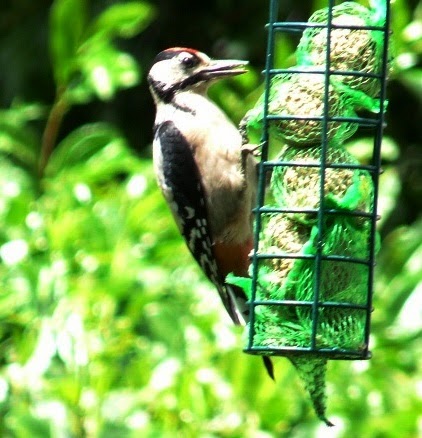
A great spotted woodpecker my garden!

This is a photograph of a juvenile great spotted woodpecker.  Great spotted woodpeckers have a vivid black and white pattern with a  flash of red feathers under the tail and the juvenile has a red forehead that is replaced by black in Autumn.

Monday, 30 June 2014

A hoopoe in my garden!

This bird is a hoopoe, and it is feeding in my garden!     Hoopoes are quite exotic birds.  They have a crown of feathers on their  heads,  a long tapering bill that can be opened when probing into the soil due to a strengthened head musculature , and an undulating flight rather like that of a large butterfly. Their diet includes insects, small reptiles and seeds and berries, and is a solitary forager.    Hoopoes were sacred in Ancient Egypt. 

Tuesday, 24 June 2014

Painting by Claudius Denis of a garden with urn.

This is an oil painting on a wooden panel by Claudius Denis, a French artist born 1878 in Lyon. He was seriously injured in his foot during the lst World War, and was also badly affected psychologically. He died in 1947 and is buried in the grounds of his country house in Hauterive (Yonne) in France.

Monday, 7 April 2014

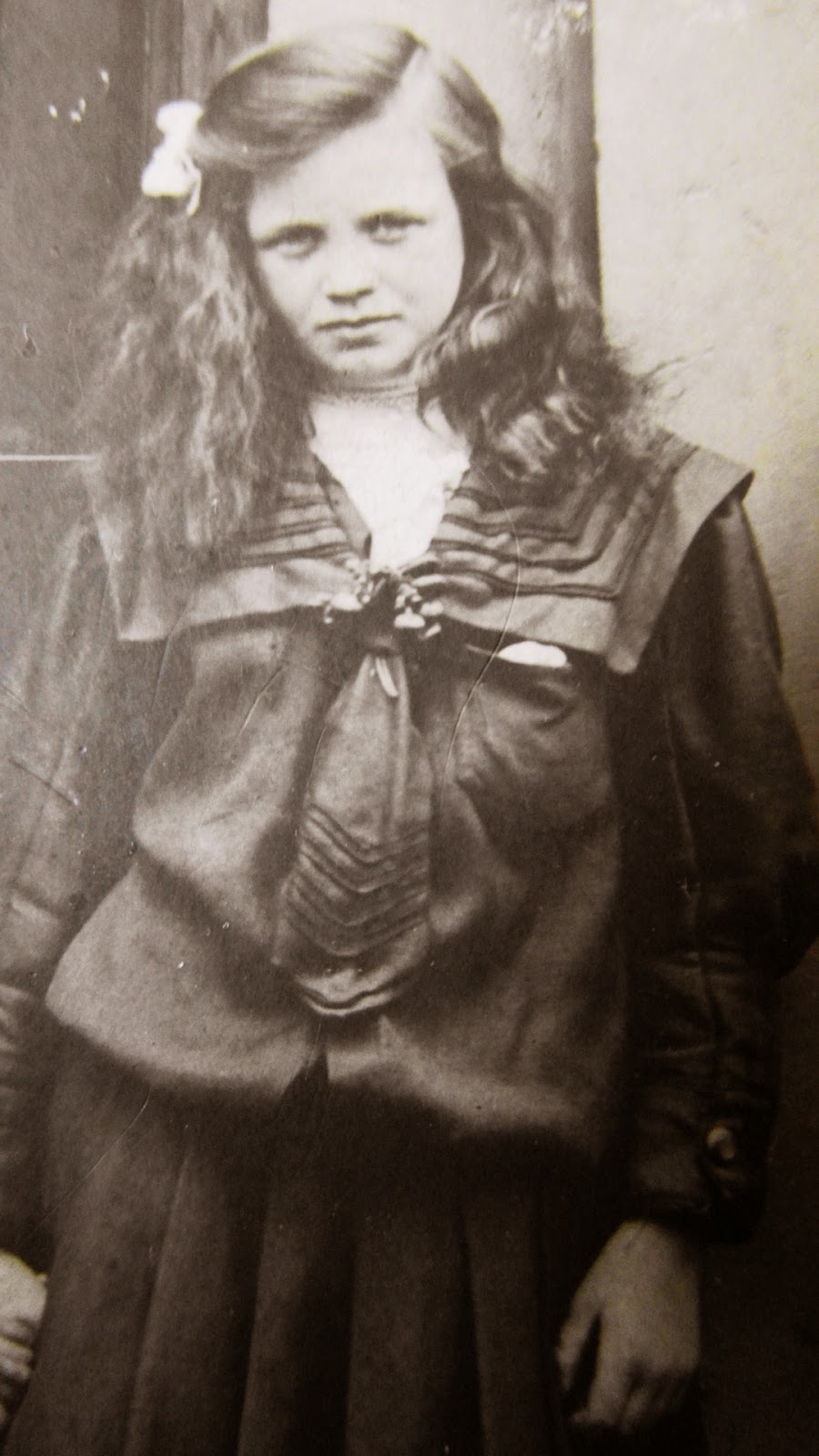
Edwardian Scottish Girl's Fashionable Dress and Hair c1910

Attractive Scottish young girl dressed in the fashion of the day - c1900.    In the larger complete photograph she stands next to her dog (a black scottie) and in front of her front door probably in Edinburgh.

Friday, 14 February 2014

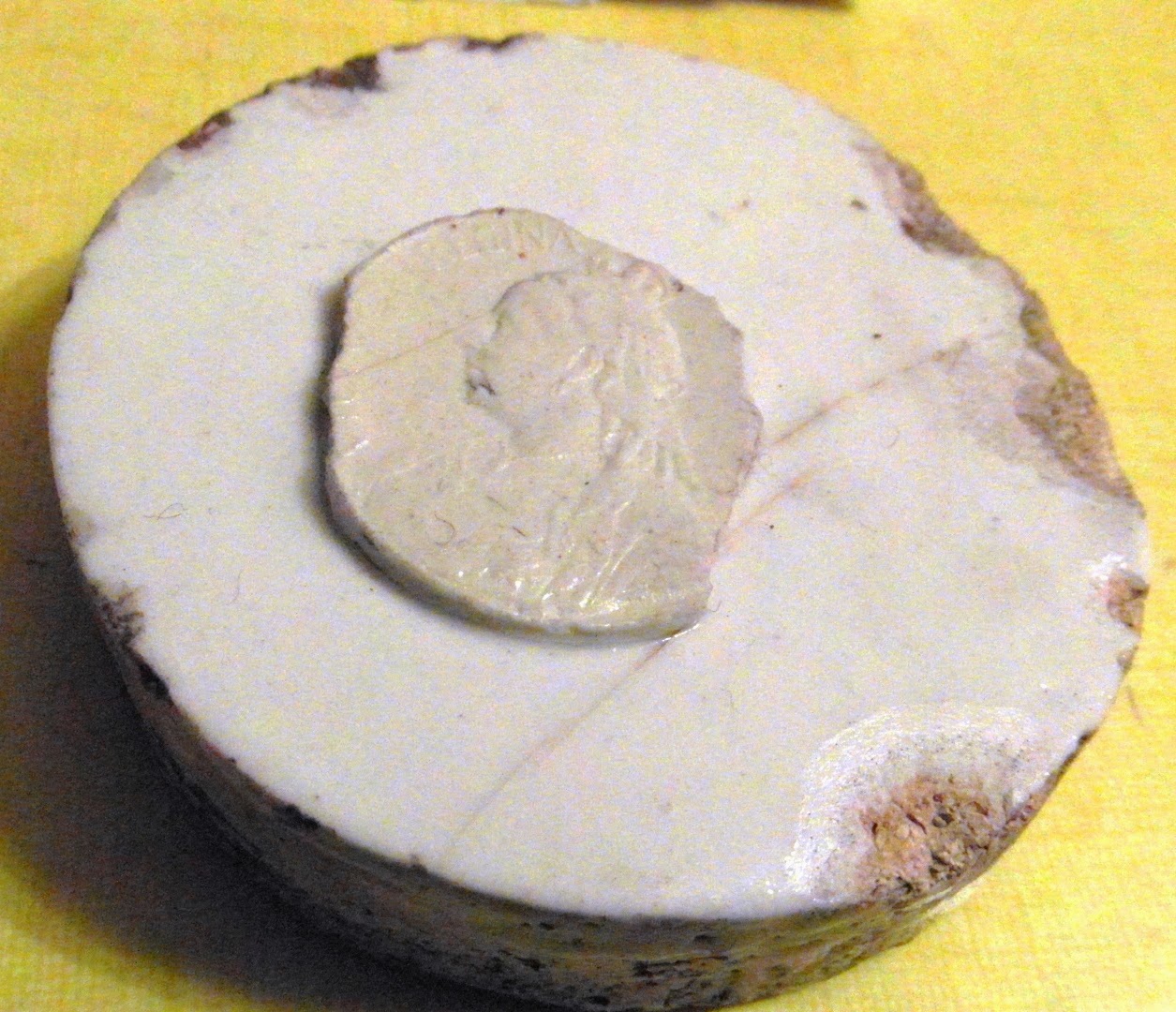
Peevers - Hopscotch, an ancient game for children.


A rare 19th century peever made out of stoneware and found in Scotland.  Hopscotch has been played by children across the globe for hundreds perhaps thousands of years.  It a has different name in every country.
 In Scotland poorer children filled shoe polish tins with small stones and used them as discs to slide across the paving stone grid.

Monday, 3 February 2014

Cobblestones and setts, what is the difference?

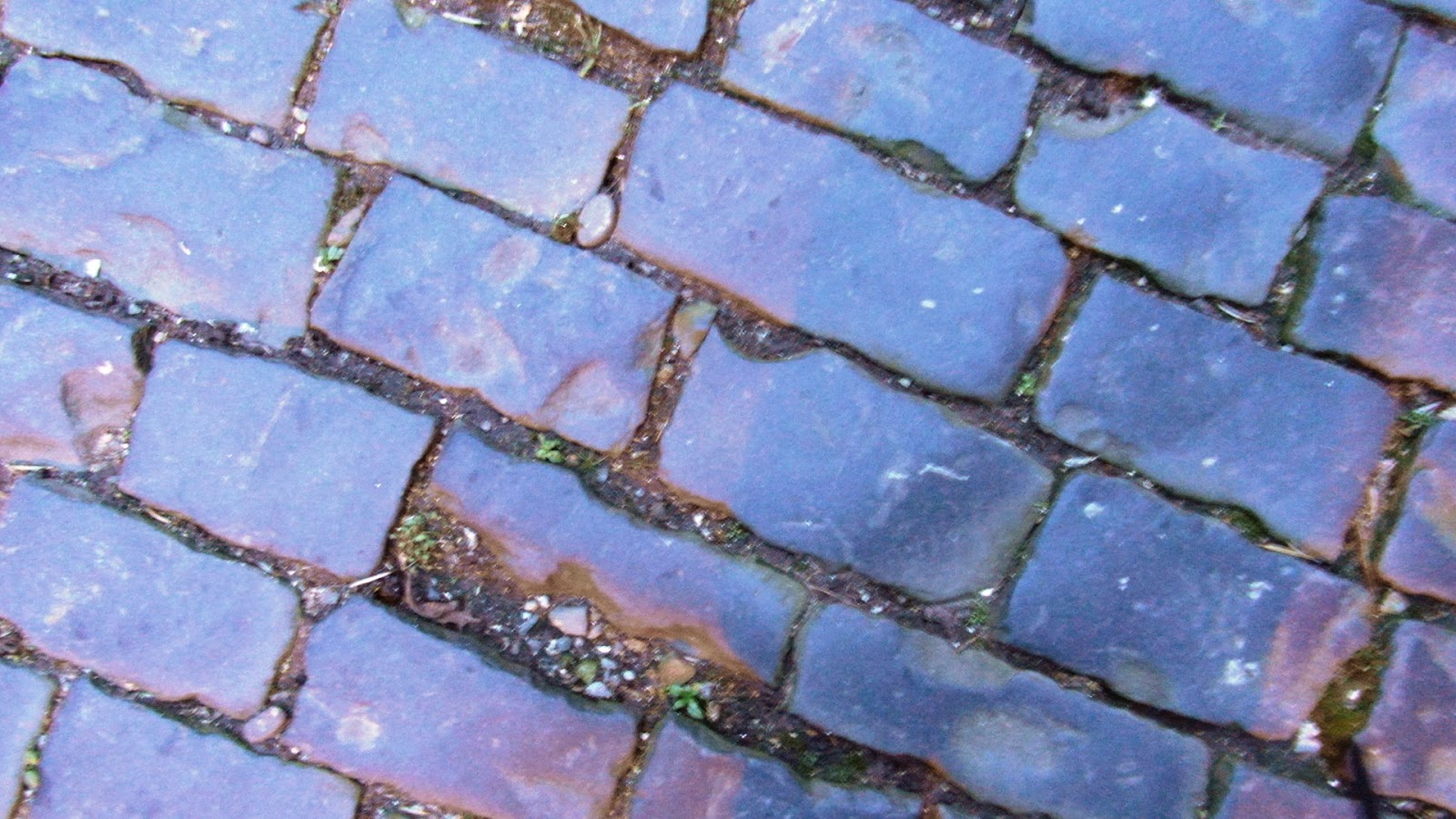
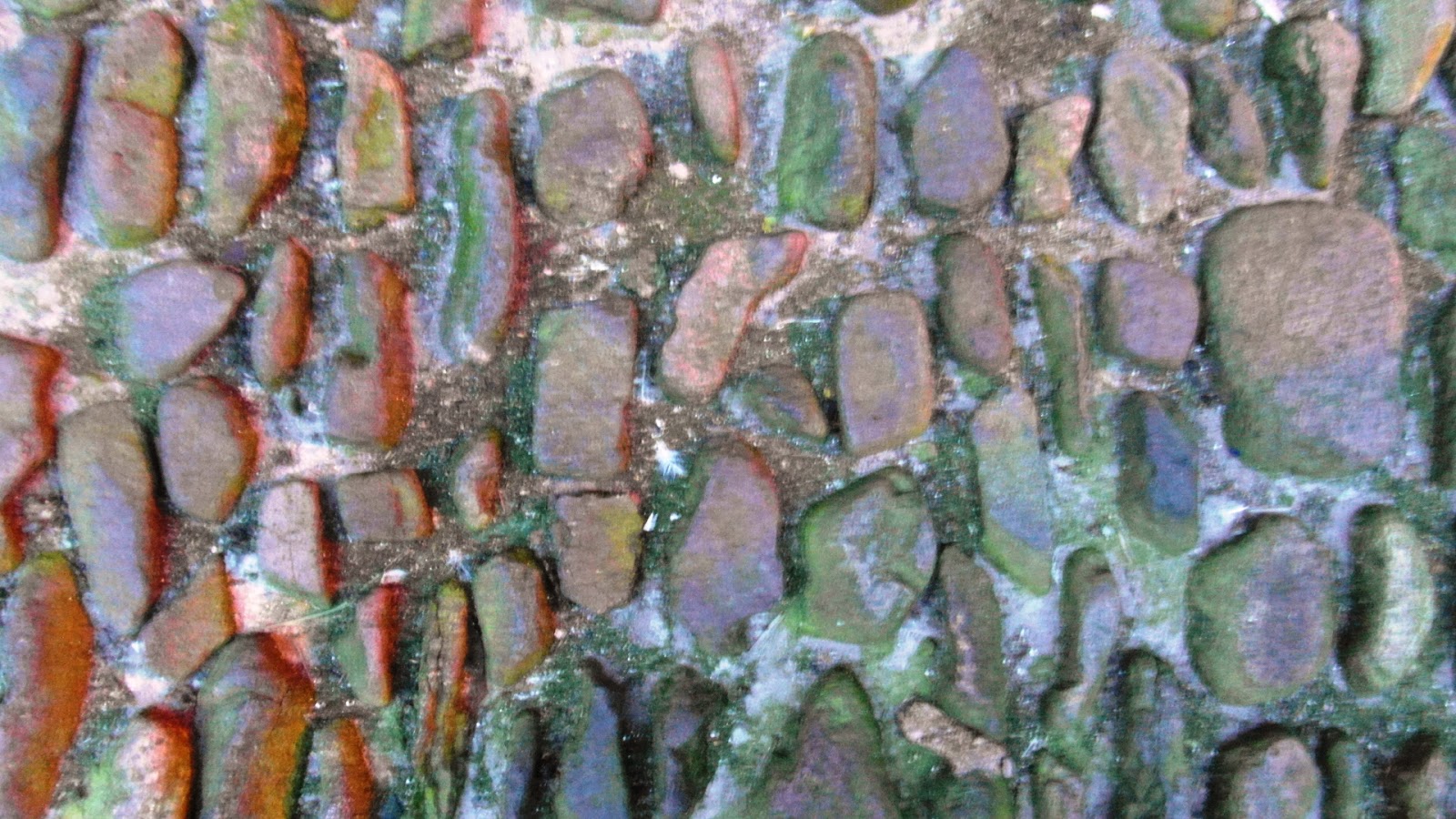
These smooth mixed pebbles are cobblestones.

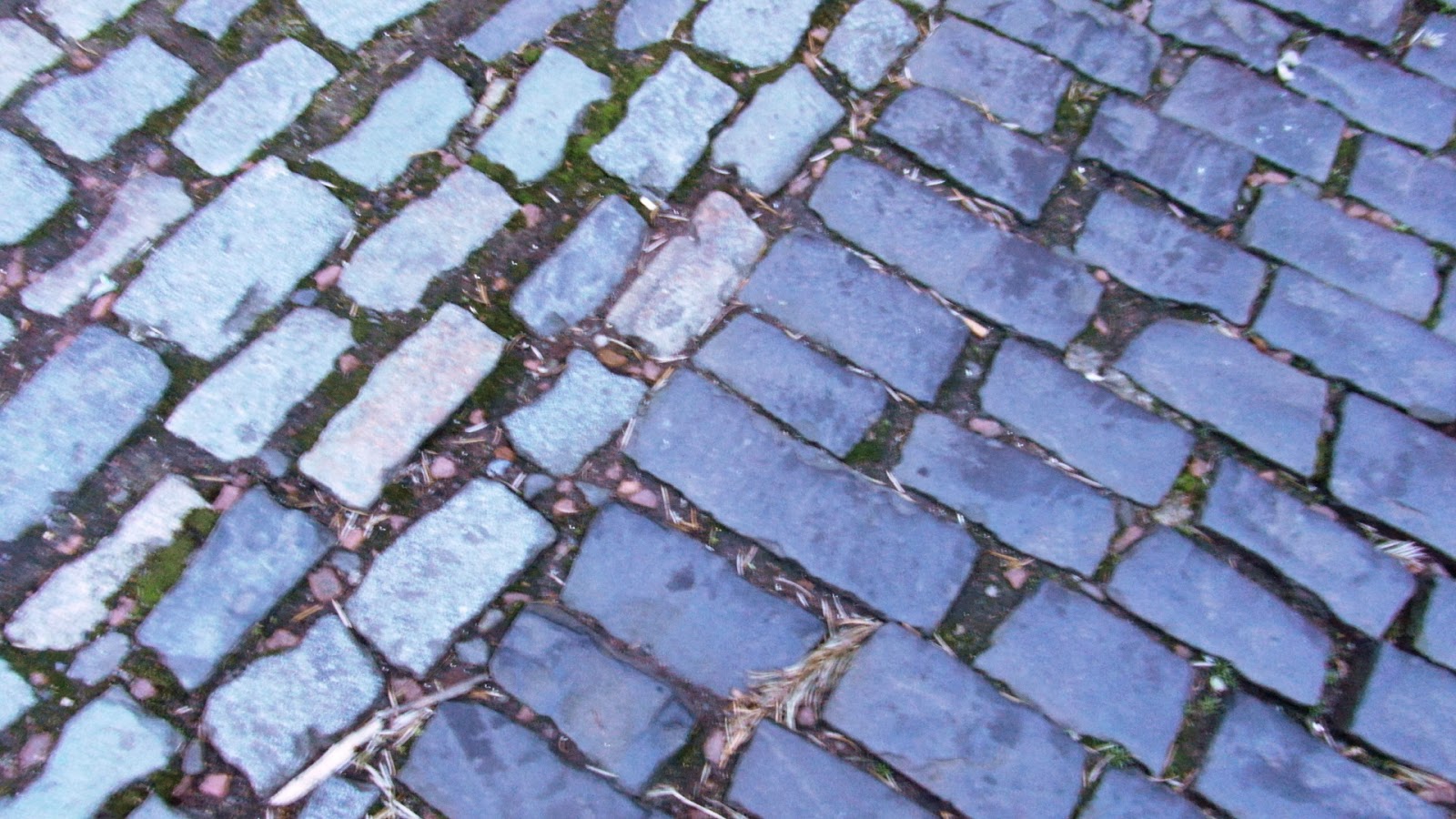
These are ancient granite setts.

These are ancient granite setts.

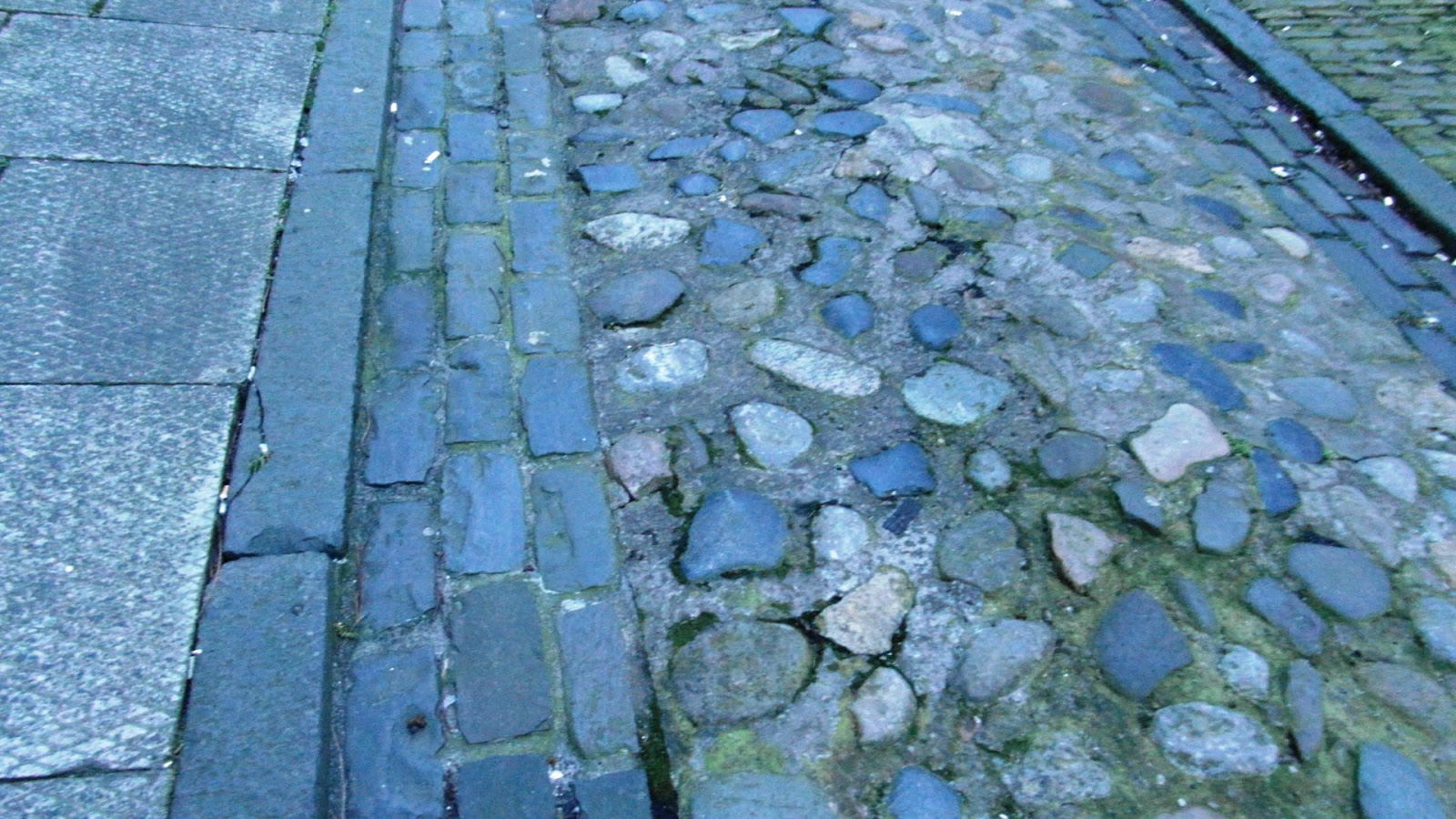
This is a narrow uphill road, the centre is laid with cobblestones and edges are laid with setts.

 The above photographs give an illustration of the difference between setts and cobblestones. Setts were cut to size and laid so that they made a smooth and level surface, and often laid in a zig zag pattern for strength. Cobblestones on the other hand are naturally smooth pebbles, rounded lumps of stone of all sizes. A cobbled area was known as a "causey", "cassay ", or "cassie" in Scots, from causewayside.  Cobbles were always laid on roads on steep hills to stop horses from slipping. 
 Macadam first, then tarmac roads took over. They were often laid on top of setts.