Tuesday, 24 September 2013

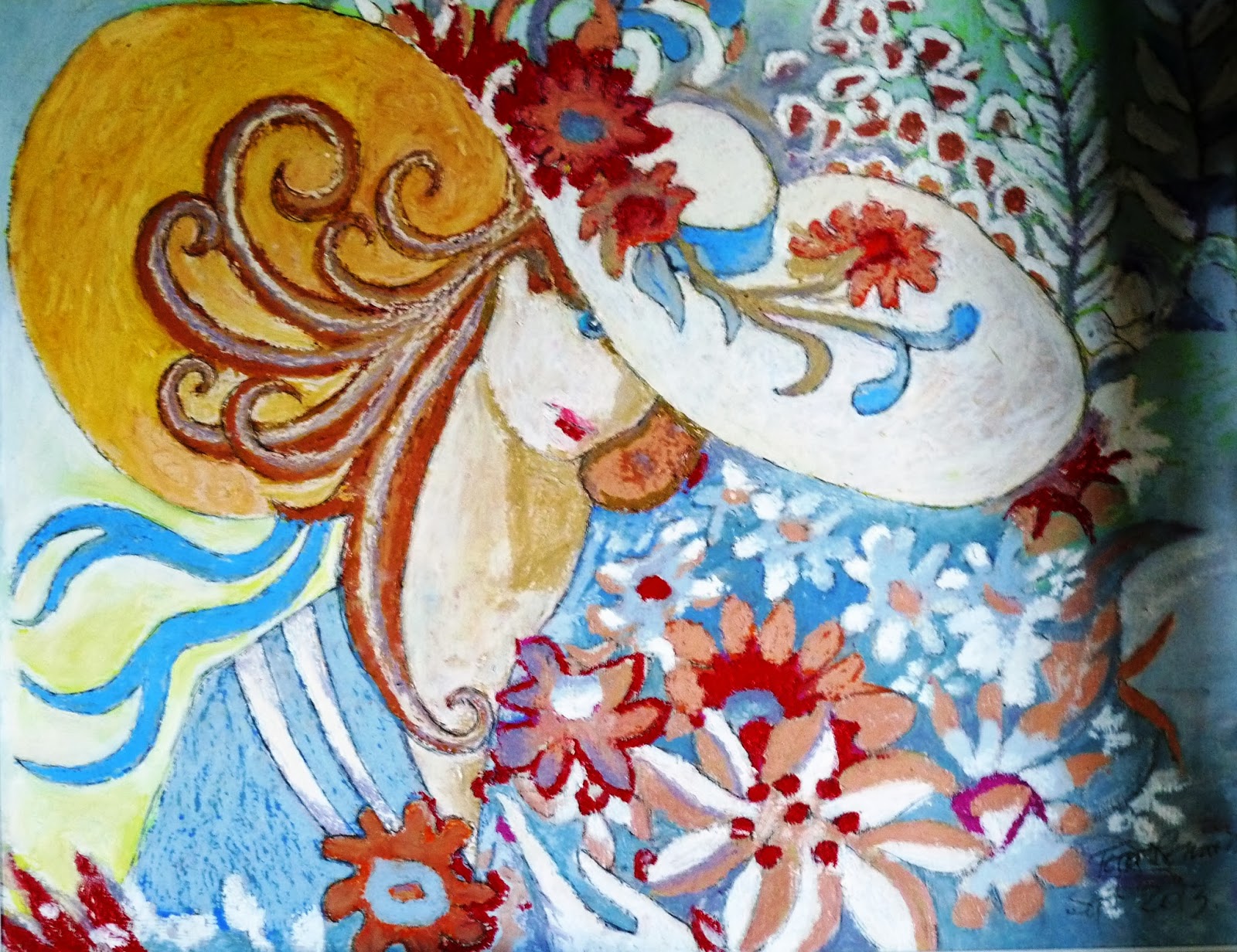
'Large hat and flowers', and 'Black and white', two paintings by Tessa Bennett.

'Lady in a hat with flowers'. Painting by Tessa Bennett.

'Black and white,' painting by Tessa  Bennett.


Thursday, 12 September 2013

Swallows prepare to leave France for Africa.

Swallows meet up and prepare to leave for Africa. This photograph shows a few of the many swallows that gather on electric wires outside my house. They will feed up on insects before they fly, and make sure their feathers are in tip top condition.. They have a perilous journey to Africa ahead.

Thursday, 5 September 2013

Blackberries and a nest in France.


Nest found attached to a rambling rose twig in France,  possibly a wren's nest. 


A small trug full of newly picked blackberries from  hedgerows in France.

Monday, 1 July 2013

Tuesday, 25 June 2013

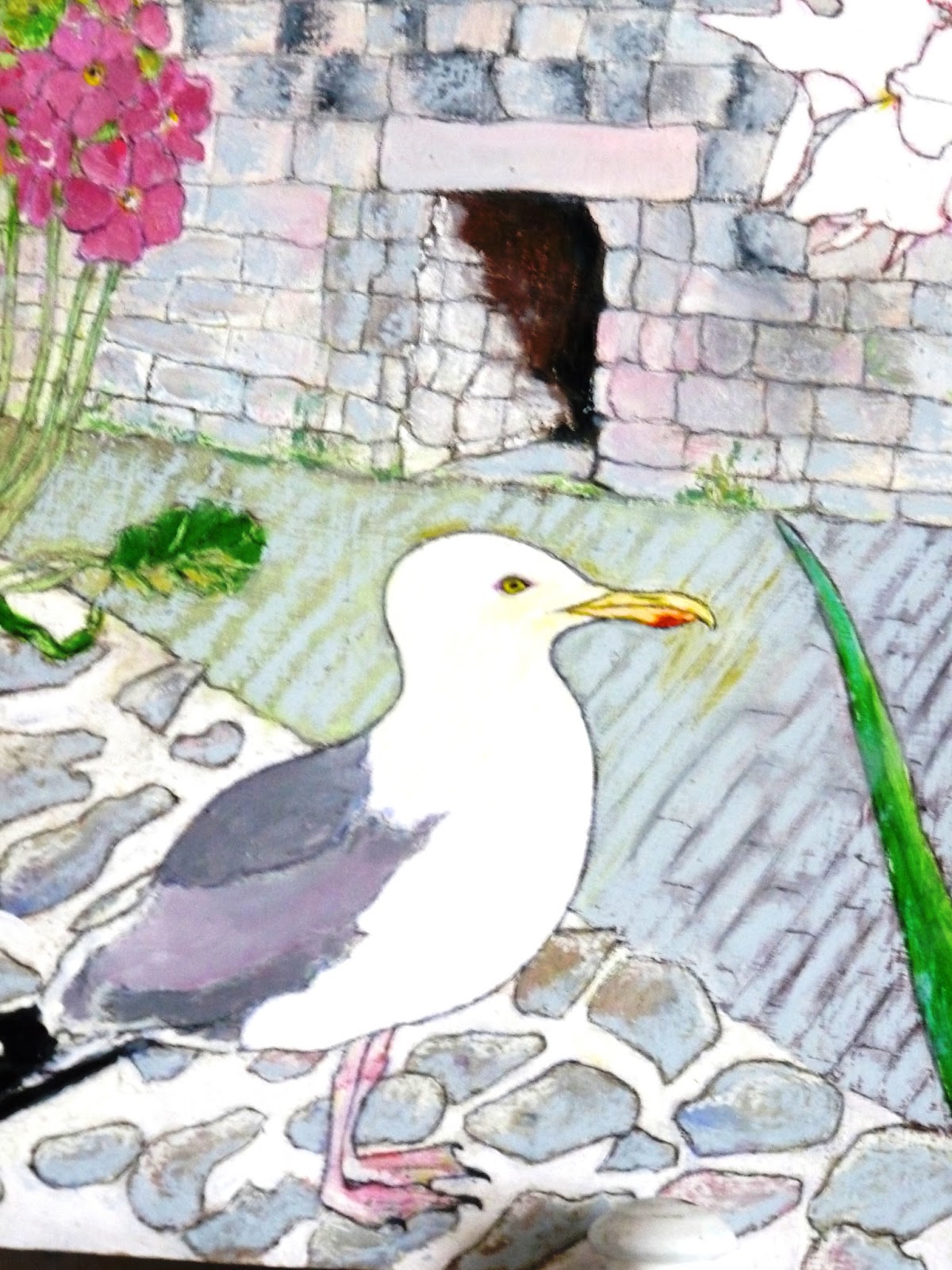
Herring gull at the quay side, Berwick-upon-Tweed, Northumberland, England.

Herring gull stands sentinel on the quay side at  Berwick-upon-Tweed,  Northumberland,  England.
Paintings by Tessa Bennett.
The intelligence of a herring gull, you can see it in his eye,  but can he remember?

Friday, 3 May 2013

2 Warren's Liquid Blacking pots, early 19th century.


2 early 19th century liquid blacking salt glaze pots.     These stoneware pots were first made by Jonathan Warren in c1795, his premises being at 18 Great Suffolk Street, London.      In c1800 Jonathan's brother Thomas opened a shop at 14 St. Martin's Lane, Charing Cross, London.    Thomas died in 1805 and his son Robert moved the business in 1816 to 30 The Strand,   then in 1821 Jonathan moved from Great Suffolk Street to Hungerford Stairs, London  selling the business in 1822.   Robert Warren continued making blacking, eventually selling out to Cherry Blossom. Poor Charles Dickens worked as a boy at a blacking factory at Hungerford Stairs, he was only 11 years old but was sent by his father whose finances were in a precarious state. He pasted labels onto liquid blacking pots and put paper covers onto blacking paste pots. Blacking was used extensively in the 19th century for the cleaning and polishing of boots and shoes, floors and doorsteps. The pots above show one with the Charing Cross address c1800, the other would have had a paper label and is c1820.