Saturday, 20 February 2016

Lindisfarne Priory and Castle, Holy Island, Northumberland


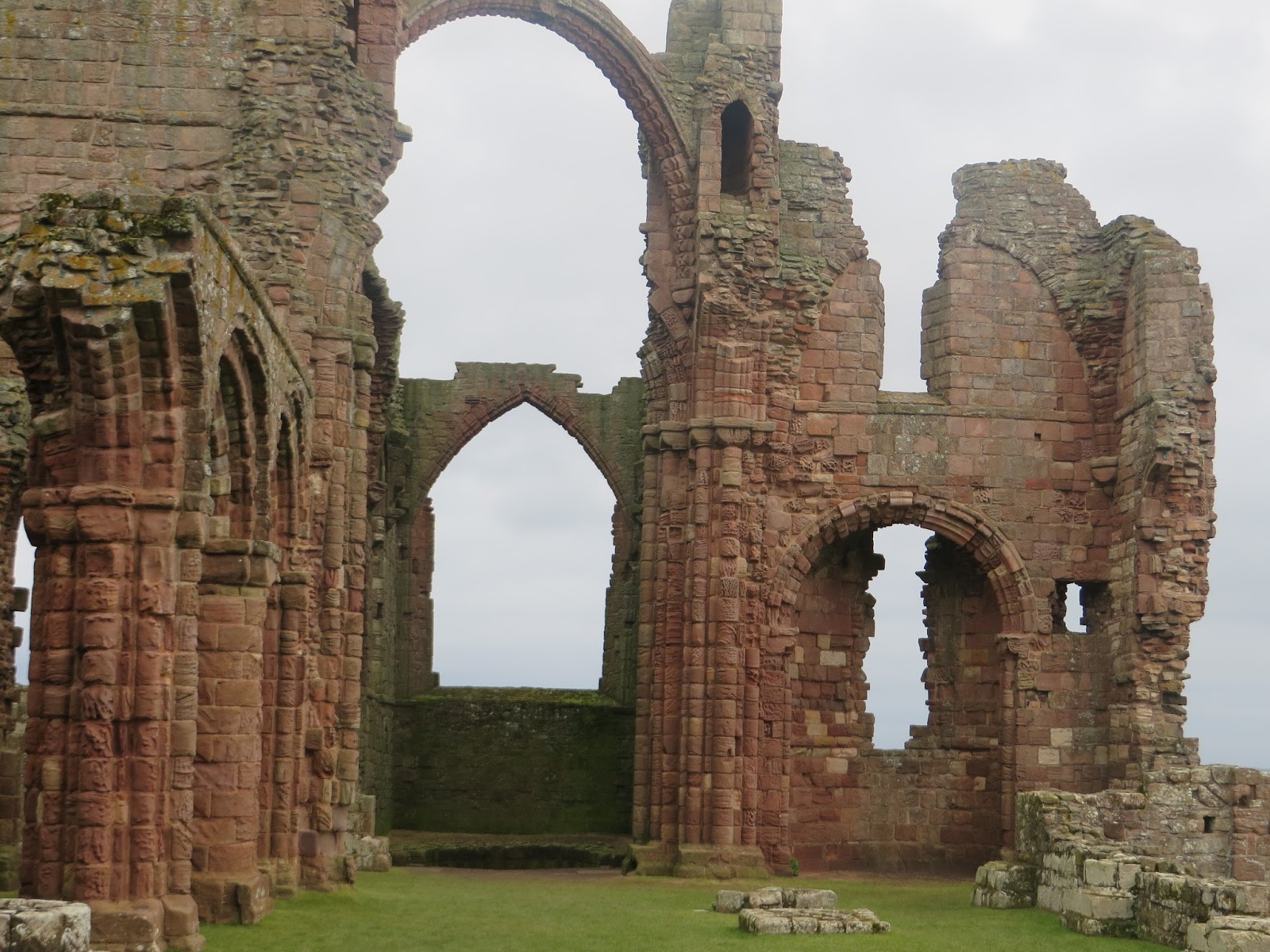
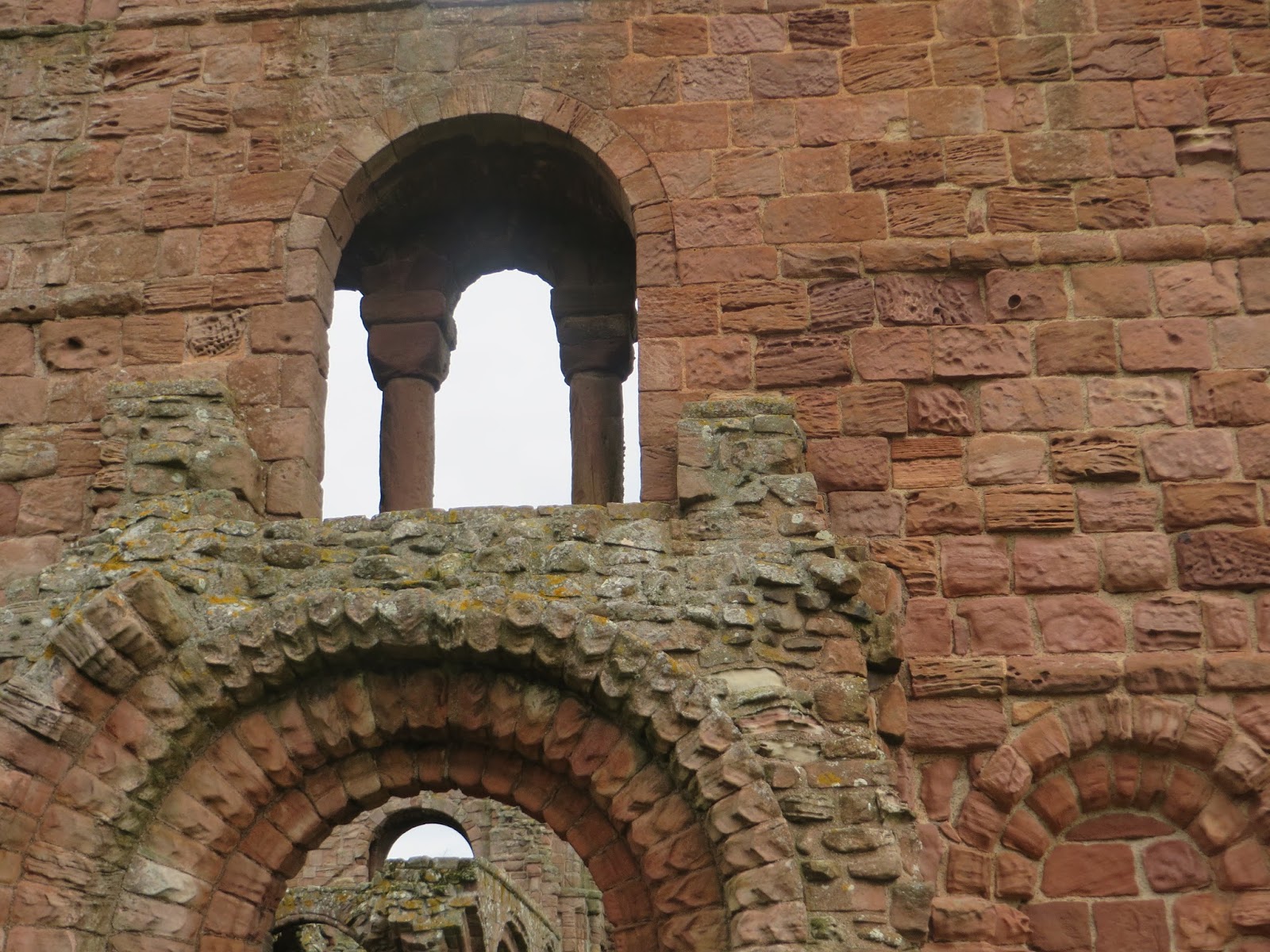
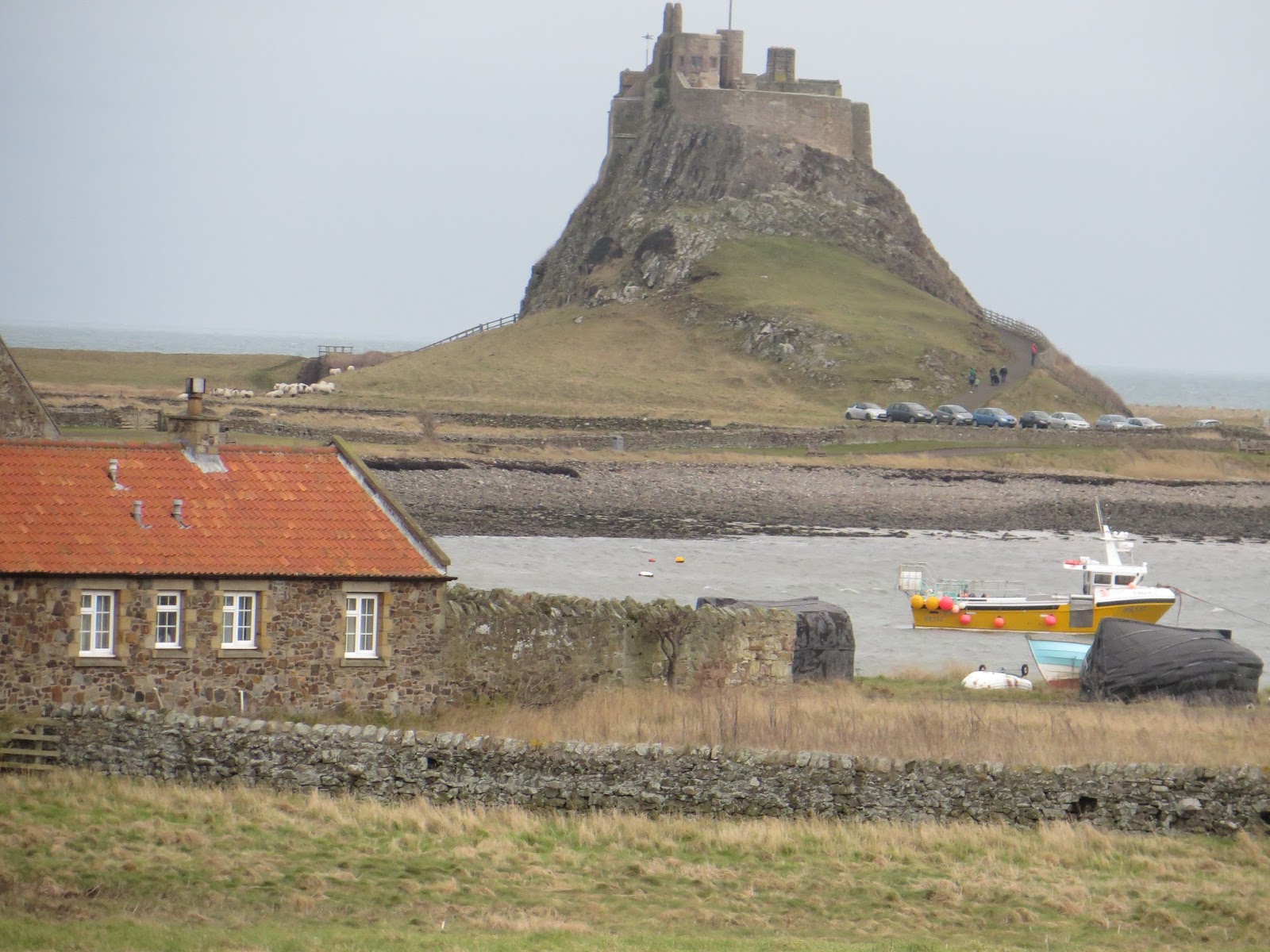
These are photographs of Lindisfarne Priory and distant views of the castle both situated on Holy Island, Northumberland, England. The castle was built in 1550 though much changed in 1901 by Edwin Lutyens.  Priory stone was used as building material for the castle when it was built, and when the Priory was disused.

Friday, 8 January 2016

Alcohol, 2 'sign the pledge' 19th century samplers


2 antique samplers embroidered onto card. During the mid 19th century several Temperance movements in England  started up decrying the drinking of alcohol. These samplers were made by people who wanted to declare their abstinence, they were 'signing the pledge'. The Salvation Army was established in the 1860s.


Sunday, 10 May 2015

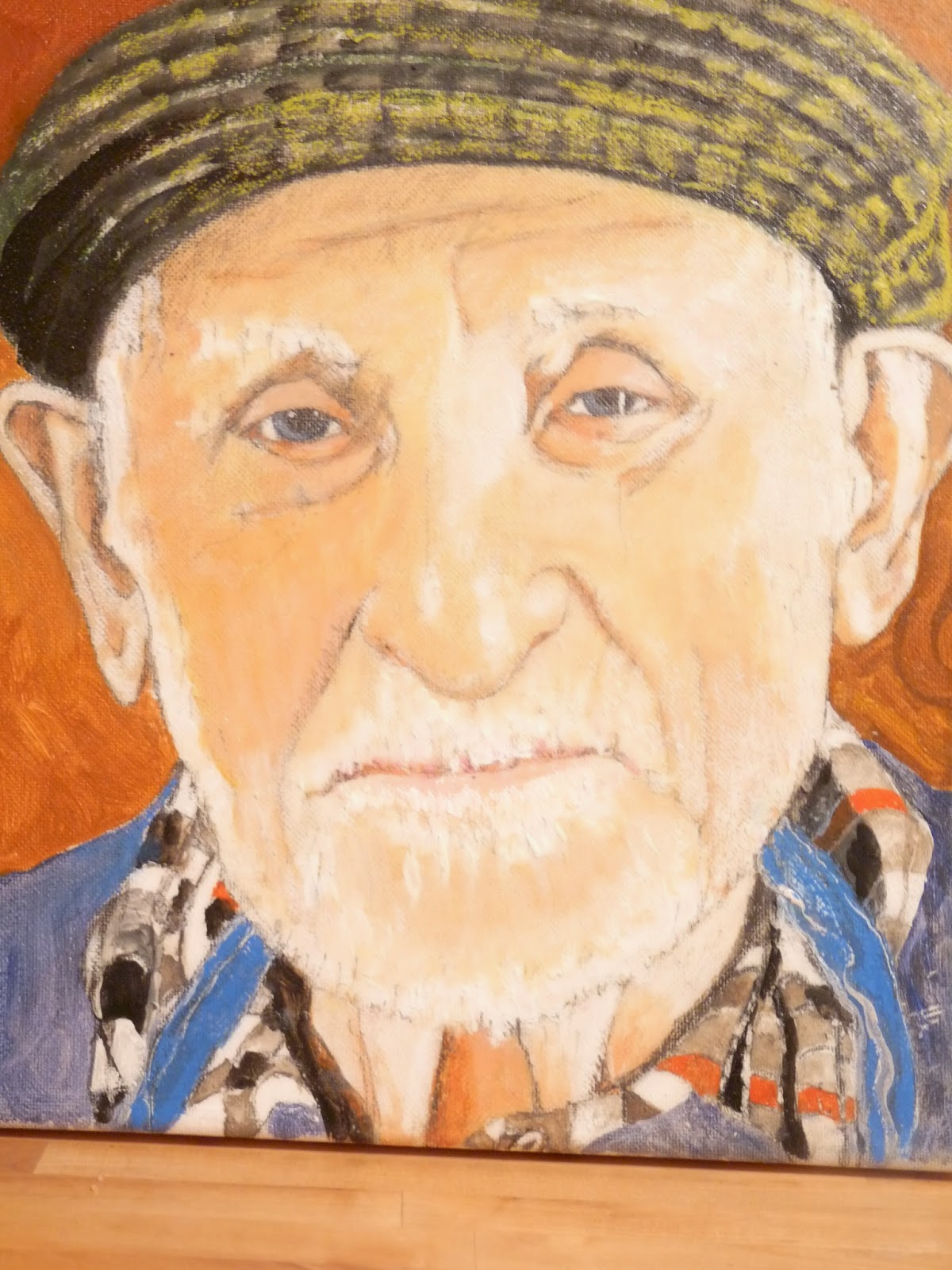
Sicilian shoemaker with a magnificent face!


Portrait of a Sicilian shoemaker. What a wonderful 'lived in' face! Painting by Tessa Bennett.

Friday, 24 April 2015

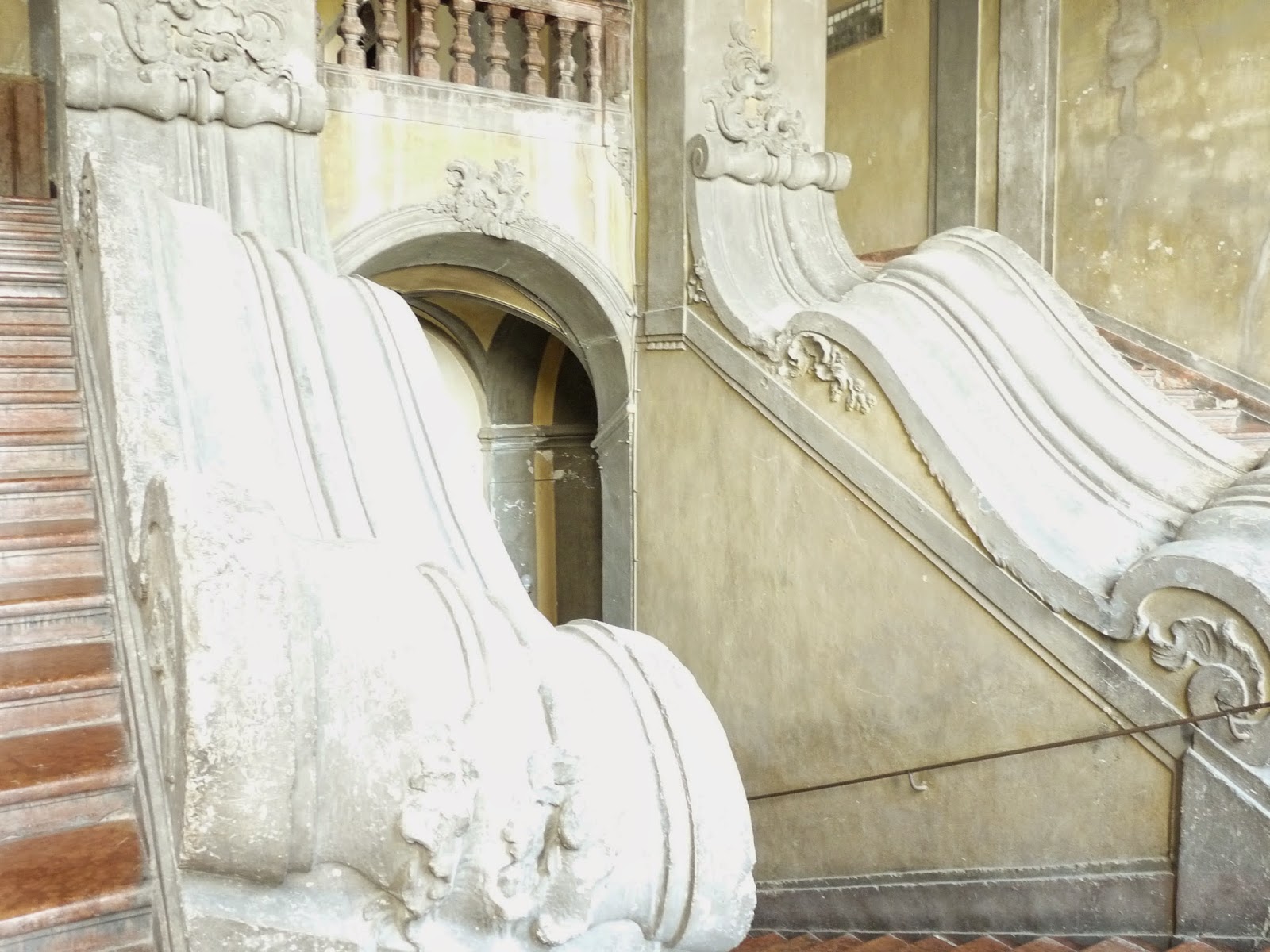
Sicily, Palermo, sublime Italian plasterwork on a Prince's palace staircase.


Add caption


The magnificent plasterwork in these photos forms part of the grand entrance to Prince Allessandro 11 Filangero Palace in Palermo, Sicily.    Italian plasterers and architects were mainly trained in Rome.


Tuesday, 21 April 2015

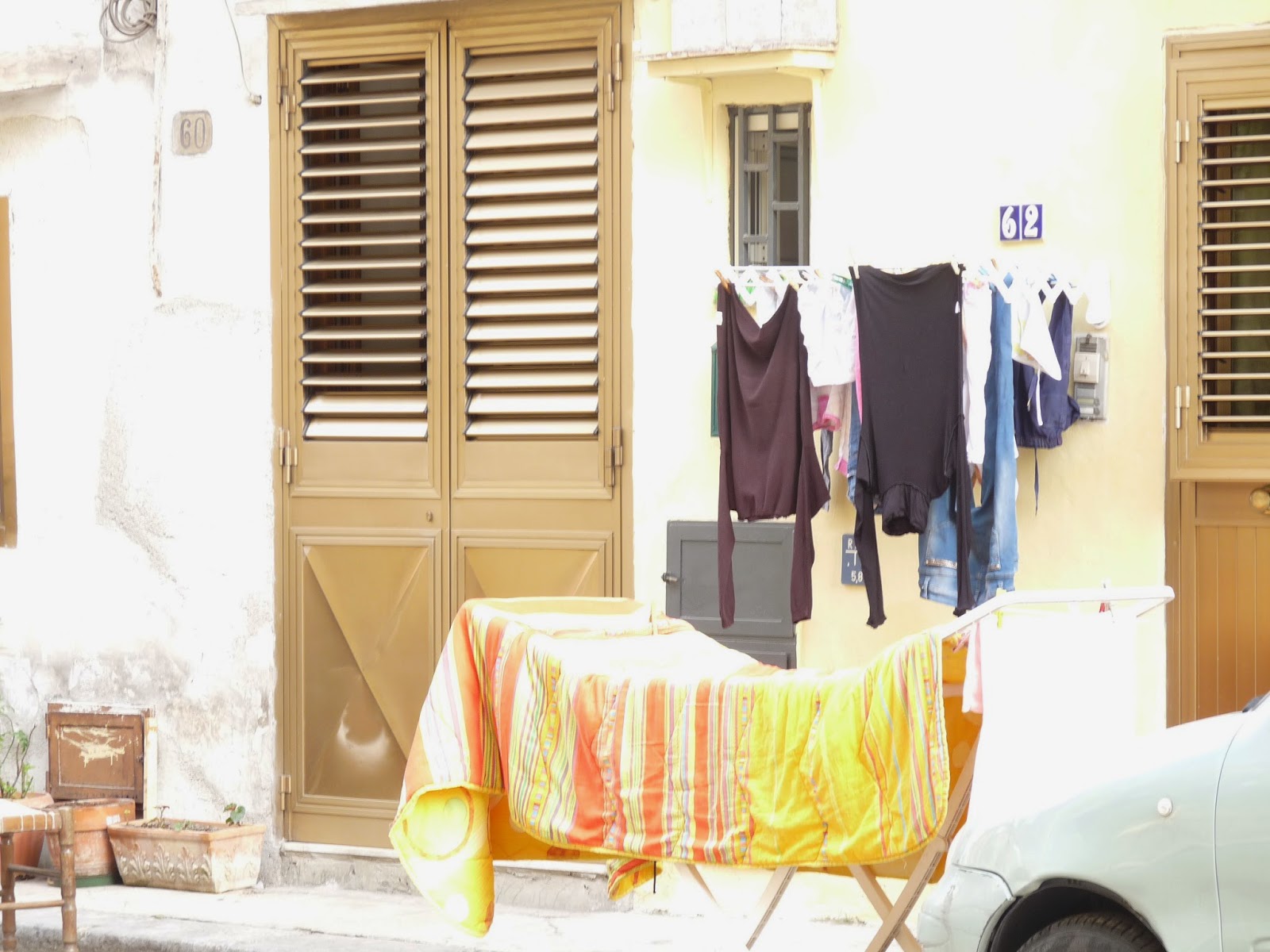
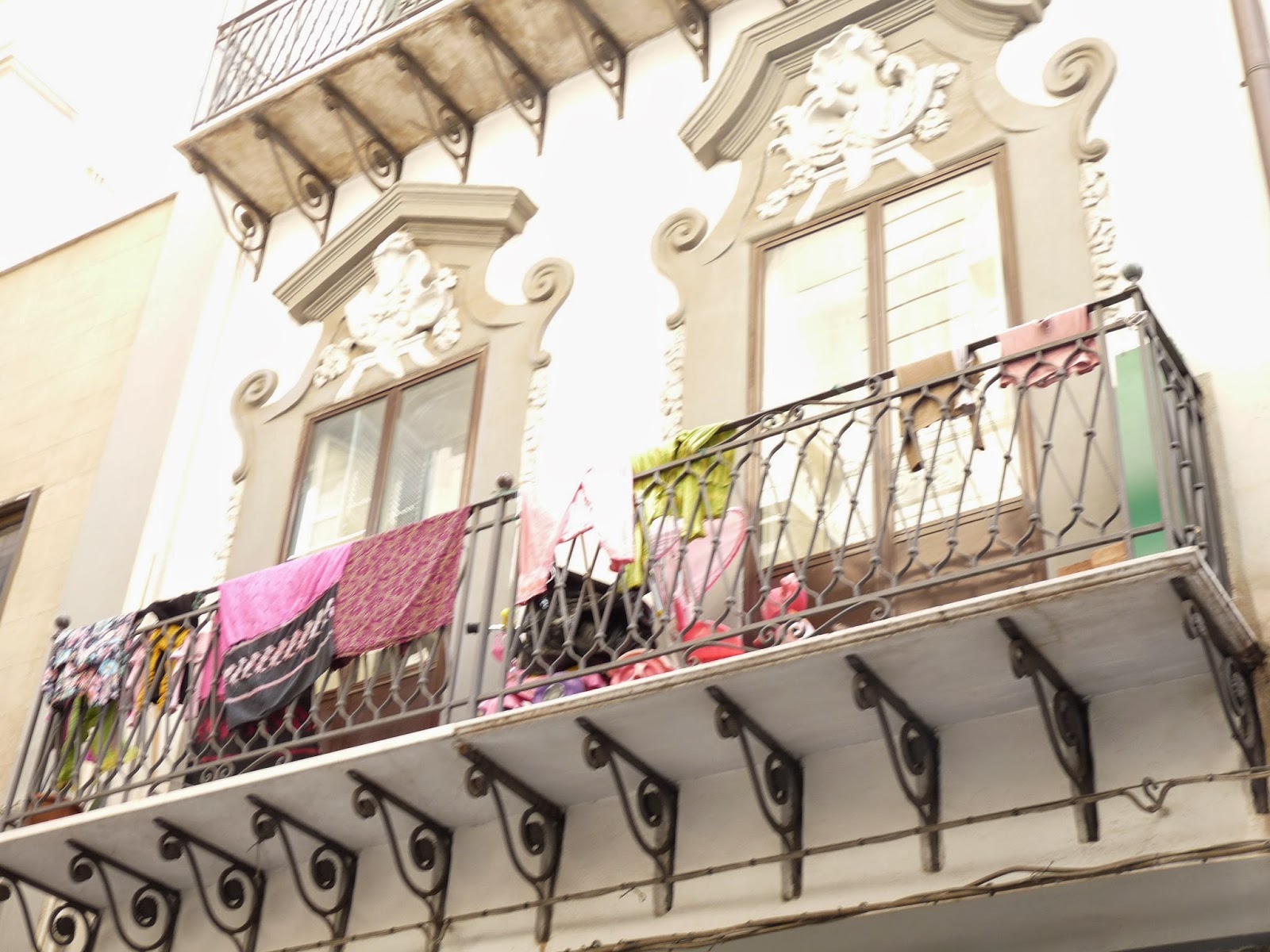
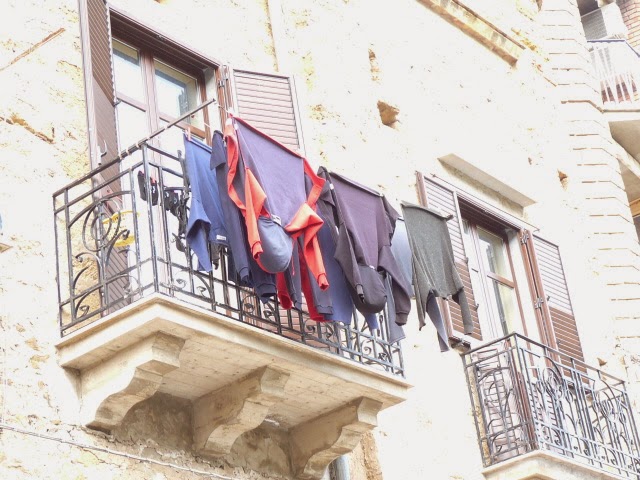
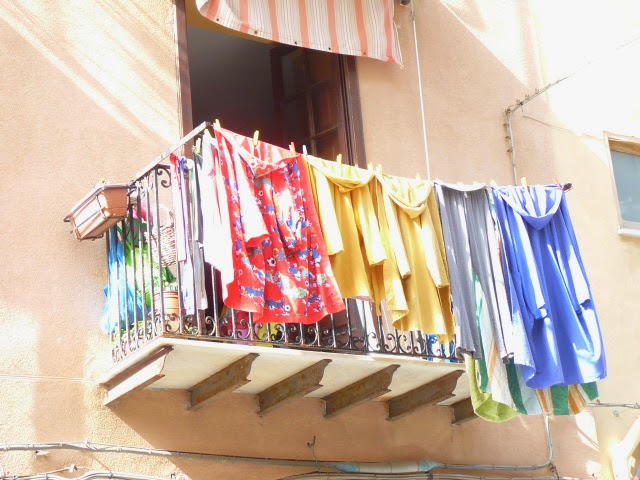
Sicily, Palermo hangs out the washing with style!


Palermo, Sicily.
Colourful washing hangs, without shame, on balconies and folding racks on pavements.


Sunday, 19 April 2015

Sicilian graffiti!


Some Sicilian graffiti!
 The word graffiti comes from the Italian word graffiato (scratched). Today's graffiti generally expresses social and political slogans. In ancient times the Egyptians, Romans, Arabs, Greeks, also the Vikings and ancient Mayans, displayed phrases and decorations of love and simple words of thought. Sicilian graffiti is widespread and interesting, sometimes written on buildings of great architectural importance, but almost always artistic, colourful, and straight from the heart.   

Sunday, 5 April 2015

Thursday, 12 March 2015

Otters enjoying the seaweed under the old bridge Berwick upon Tweed.

An unusual sight! Three otters enjoying the seaweed under the ancient stone bridge where the sea meets the river Tweed in Berwick upon Tweed England.  This lovely photograph was taken by a local enthusiast yesterday 11th March 2015.

Tuesday, 3 March 2015

Emigration from Liverpool on the ship The Henry Clay to New York 1846

This poignant letter and lock of hair tells part of the story of the emigration, from the port of  Liverpool on the ship The Henry Clay, of Thomas Tait and his family.  Probably a Scottish family Thomas Tait sends a lock of his ?daughter's hair via a Mr.Wm.MacKinlay to her grandmother as the family were to sail the next day. It is sad that no more is known about this family, and no news either whether they even set off because it is known that the ship The Henry Clay was ship wrecked off the New jersey coast during March of the same year (1846). The letter mentions the  sailing would be on the morning of 23rd July 1846.

Friday, 7 November 2014

Hollar, Wenceslaus/Vaclav, Mulierum 1643.....etcher supremo!

Etchings from Hollar's Mulierum 1643. This is a fashionable woman from Naples.
Etchings from Hollar's Mulierum, London 1643.  This is a fashionable woman from London.
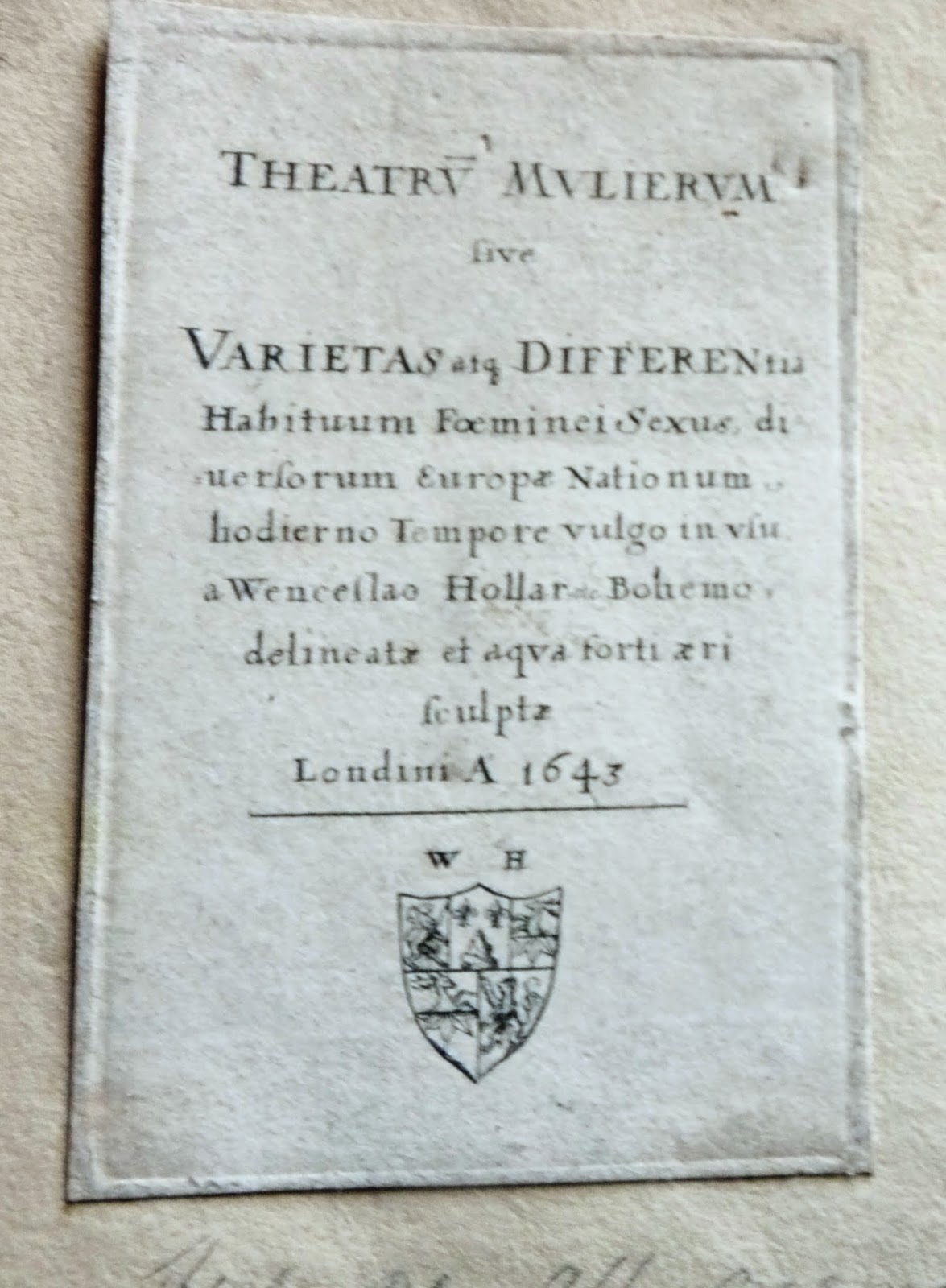
This is the title page of the 1643 edition of Hollar's Mulierum. Wenceslaus or Vaclav Hollar was a Bohemian etcher.       Born in Prague 13th July, 1607, he died in London on 25th March 1677, buried at St.Margaret's Church, Westminster. His earliest works are dated 1625-6. He was greatly influenced by Durer. In 1633 he moved to Cologne where he produced some his best works. In 1636 he attracted the notice of the famous nobleman and art collector Thomas Howard the 21st Earl of Arundel . He travelled with Arundel to Vienna and Prague and returned with him, and  remaining in the Earl's household for many years. After 1646 he earned his living by working for various authors and publishers. Hollar created  "View of Greenwich" during his first  year in England. The plate measured nearly 3 feet long, and he was paid 30/- for this. Throughout the English Civil War he worked in Antwerp where he produced some of his best known works. he illustrated many books. After the Great Fire of London he produced some of his famous "Views of London". The King sent him to Tangier in 1668. He lived for a further 8 years still working for booksellers including a large plate of Edinburgh dated 1670. He died on 25th March 1677, and was buried at St. Margaret's Church, Westminster, London in 1677  sadly, in dire poverty.
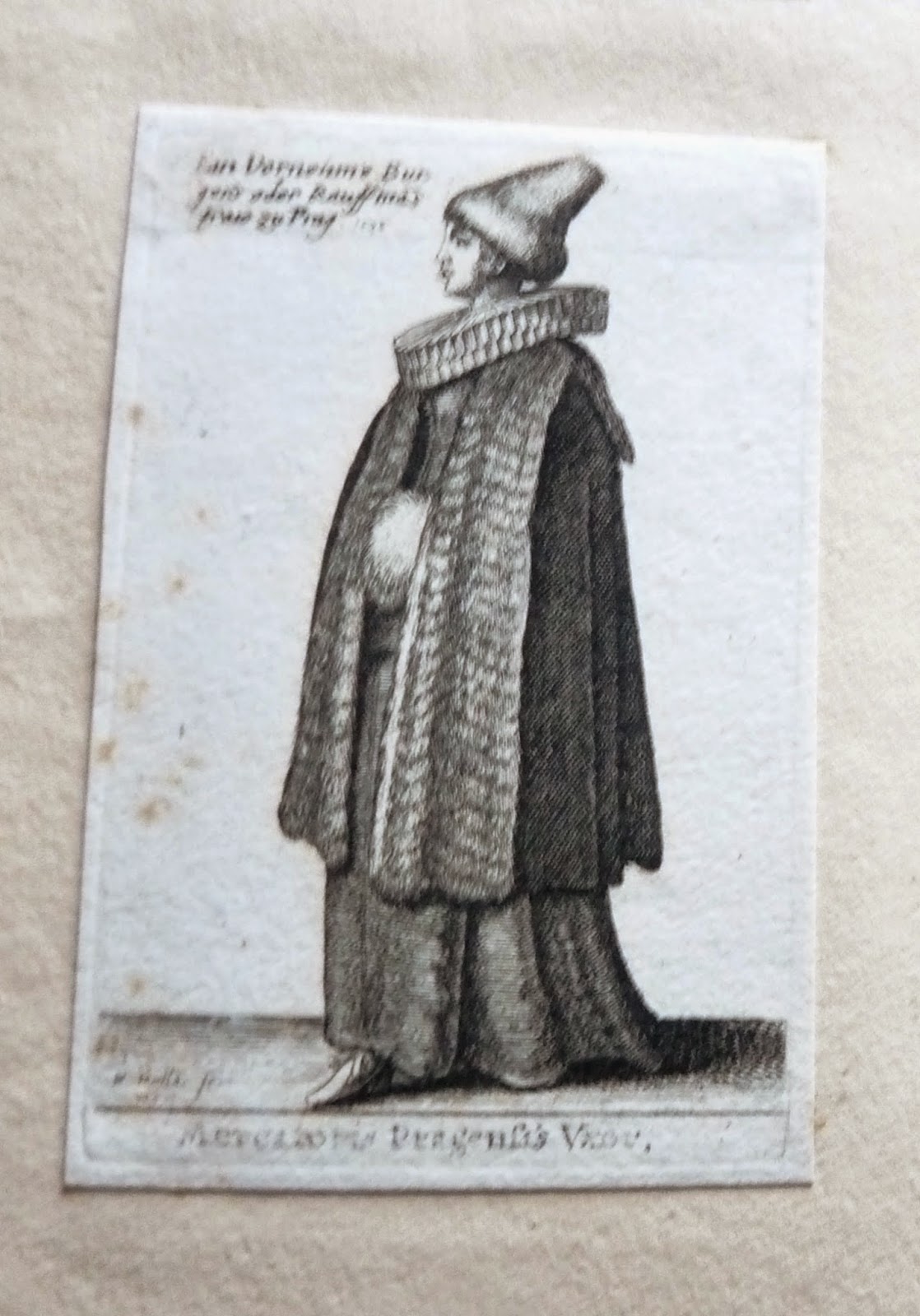
Etching from Hollar's Mulierum 1643, a fashionable woman from Prague.


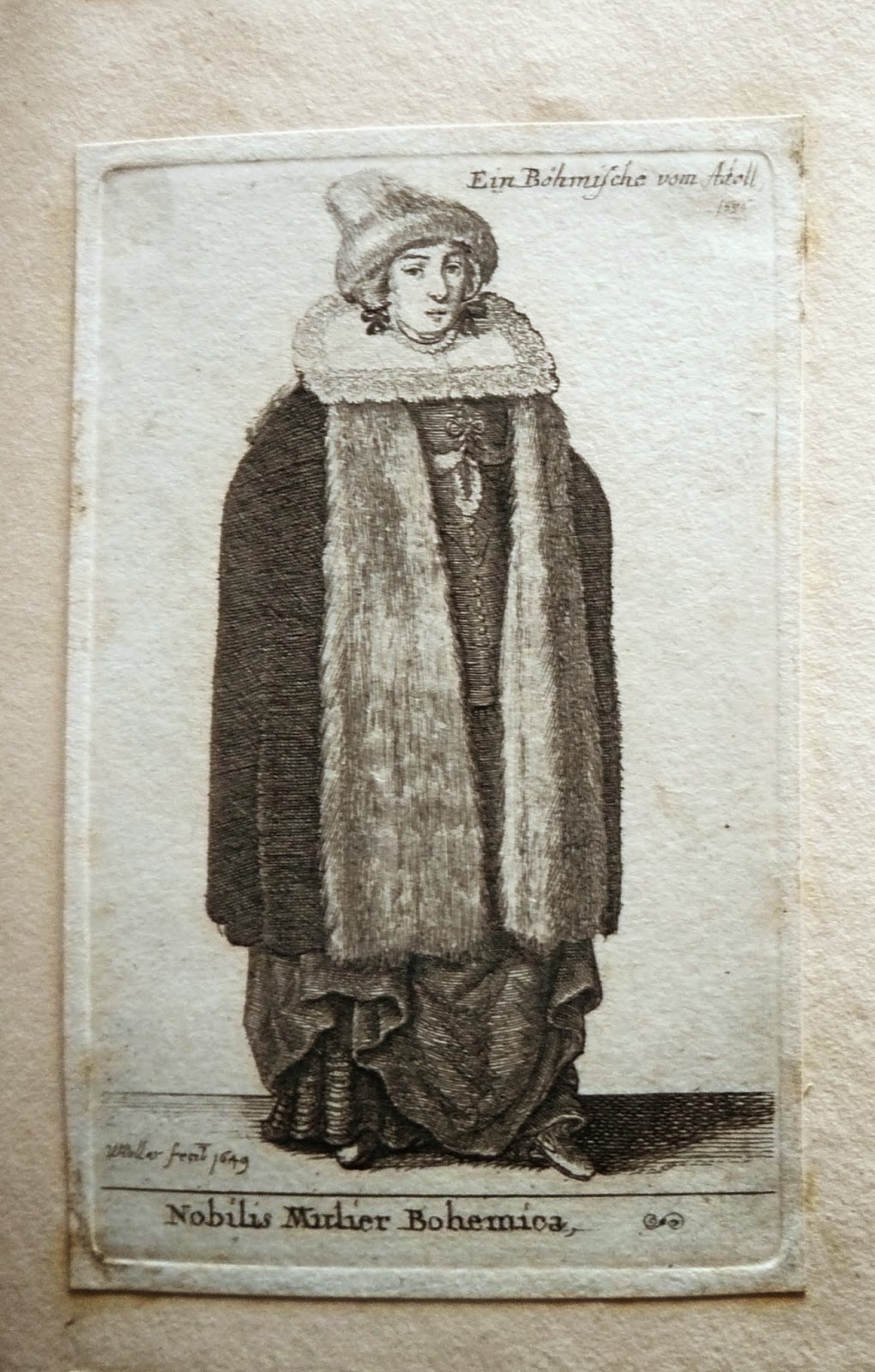
Fashionable woman from Bohemia. Etching from Hollar's Mulierum 1643.

Monday, 3 November 2014

Cranes migrate South over France November 2014

Cranes fly South across France early November.

A Wood Tiger moth.


A colourful wood tiger moth rests on a geranium leaf on my bedroom windowsill. Usually seen from May to July on heaths scrubby grassland and in open woodland. It's food is a wide range of low growing plants.